
Bay Area Garage Door
Garage Door Spring Replacement San Francisco
Reliable Garage Door Spring Replacement In The Bay Area
Garage door springs support the weight of the door through every opening and closing cycle, making them vital for safe daily use. As springs age, repeated tension can cause them to lose strength, stretch, or break without warning. Our team provides detailed inspections and professional replacement services to restore proper door balance. We address worn, damaged, or failed springs with accurate measurements and dependable parts. With careful installation and precise calibration, we help keep your garage door moving safely, evenly, and reliably.



How Can We Help?
About the Service
Garage Door Spring Replacement and Balanced Movement
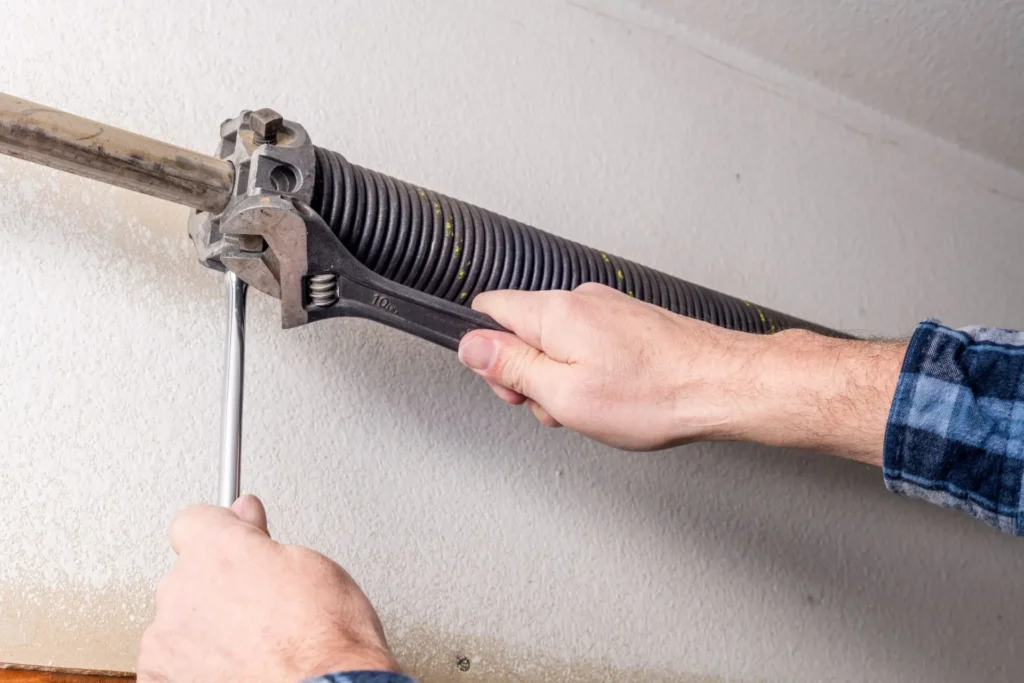
Garage door springs offset the door’s weight so the system can move with steady control during each cycle. In San Francisco homes, regular use places ongoing strain on torsion and extension springs over time. Once springs weaken beyond effective repair, the door may become difficult to lift, move unevenly, or put extra pressure on connected hardware. Our service focuses on assessing spring condition, selecting the proper replacement, and restoring the correct tension needed for balanced operation.
A worn or broken spring can cause the door to stay shut, rise only partway, or close with unsafe force. These failures may also overwork the opener, cables, and other moving parts within the system. Our technicians replace damaged springs with properly matched components, professional tools, and measured adjustments. By installing new springs with accurate calibration, we support smoother travel, safer function, and dependable performance for residential garage doors.
Certified Experts
Every service visit follows strict safety standards and professional procedures. Our team inspect springs, cables, rollers, and opener systems using calibrated tools, ensuring lifting mechanisms stay balanced and operate smoothly through thousands of cycles without unexpected failure.
Payment Choices


 Trustindex verifies that the original source of the review is Google.
 Trustindex verifies that the original source of the review is Google.
 Trustindex verifies that the original source of the review is Google.
 Trustindex verifies that the original source of the review is Google.
 Trustindex verifies that the original source of the review is Google.
 Trustindex verifies that the original source of the review is Google.
 Trustindex verifies that the original source of the review is Google.
 Trustindex verifies that the original source of the review is Google.
 Trustindex verifies that the original source of the review is Google.
 Trustindex verifies that the original source of the review is Google.
Our Advantage
Garage Door Expertise Backed by Precision Work
Garage door spring replacement requires accurate sizing, controlled tension, and experienced workmanship to support safe operation. Our team delivers detailed inspections, careful installation, and dependable mechanical service focused on the source of the issue. With close attention to balance, performance, and long-term reliability, we help San Francisco homeowners keep garage doors moving smoothly and safely.
Connect With Us
Talk With A Garage Door Technician
Contact our team for garage door spring replacement, inspections, or repair guidance. Receive clear answers, professional support, and dependable service for your home.
Our Story
San Francisco Garage Door Repair Specialists
Garage doors in San Francisco homes complete thousands of cycles each year, placing constant demand on springs, cables, rollers, and opener parts. Even small losses in tension can affect the way the entire system lifts, lowers, and stays balanced. Our team performs close inspections, accurate adjustments, and mechanical service to help heavy doors operate safely each day. Since many residential garage doors weigh 180 to 320 pounds, proper calibration remains essential for reliable function.
Our technicians inspect spring wear, review cable drums, test opener response, and confirm smooth roller travel along the tracks. As aging parts decline, weakened springs or frayed cables may cause uneven lifting, delayed movement, or mid-cycle stops. Bay Area Garage Doors serves San Francisco homeowners with maintenance that supports smoother operation, reduces strain across connected parts, and helps systems continue performing beyond 10,000 cycles.
Book a Consultation
San Francisco Areas We Serve
Contact our San Francisco technicians to schedule garage door service, spring replacement, inspections, or new installations. Share your project details and receive a clear estimate before work begins, with prompt scheduling and professional support for your home.
FAQ
Why does a garage door open unevenly from one side?
A garage door that opens unevenly often has a problem with spring balance, cable condition, or track alignment. When one side of the system carries more tension than the other, the door can tilt as it moves. This uneven motion may place extra strain on rollers, hinges, and opener components. Early inspection and correction help restore balanced lifting, reduce wear, and protect the system from larger mechanical problems over time.
What do garage door cables do during daily operation?
Garage door cables support the lifting system by working with the springs to raise and lower the door in a controlled way. They help carry and distribute weight evenly, which allows the door to move smoothly through each cycle. Over time, cables can fray, weaken, or stretch from repeated use. Regular inspection is important because damaged cables affect balance, reduce safety, and can lead to more serious mechanical failure.
What causes a garage door to move slower than usual?
A garage door that moves slower than normal may be experiencing worn springs, reduced opener efficiency, or increased friction within the track system. Aging rollers, lack of lubrication, or motor strain can also contribute to slower operation. As resistance builds, the opener works harder to complete each cycle. A full system inspection helps identify the source of the slowdown and restores proper speed, balance, and overall performance.
How can weather affect garage door performance in San Francisco?
Weather conditions in San Francisco, including moisture, temperature shifts, and coastal air, can impact garage door components over time. Metal parts may expand, contract, or develop corrosion, affecting springs, cables, and tracks. Moisture can also influence lubrication effectiveness and electrical components. Regular maintenance helps protect against environmental wear, ensuring consistent operation and reducing the likelihood of premature failure caused by changing local conditions throughout the year.
What happens if garage door cables break during use?
If garage door cables break, the door may become unbalanced or suddenly drop, creating a serious safety hazard. Cables support the lifting process by working with the springs, so failure disrupts the entire system. The door may tilt, jam, or stop moving altogether. Immediate professional service is required to replace damaged cables and restore safe, controlled operation while preventing further damage to connected components.
How do I know if my garage door spring is broken?
Common signs are a loud bang from the garage, a door that suddenly feels very heavy, an opener that strains or stops after a few inches, or a visible gap in the spring above the door. If you see any of these, stop using the door and call us.
Can I still open my garage door with a broken spring?
We do not recommend it. A garage door can weigh 150 pounds or more, and the spring is what holds that weight. Lifting it by hand or forcing it with the opener can damage the opener or cause the door to drop. Leave it closed and we can usually come the same day.
How fast can you replace a broken garage door spring?
We offer same-day spring replacement across San Francisco and the Bay Area, 24/7. Our trucks carry common spring sizes, so most replacements are finished in a single visit.
Should both springs be replaced at the same time?
If your door has two springs, they are usually the same age and the second one often fails soon after the first. We will explain your options and give you the price for each before any work starts.
How much does garage door spring replacement cost?
The price depends on the spring type, size and how many your door uses. We give you a free estimate and an upfront price before we start, so there are no surprises.
Areas We Serve
We provide same-day garage door service across San Francisco and the Bay Area, including:
Alameda • Atherton • Belvedere • Berkeley • Burlingame • Campbell • Cupertino • Daly City • Danville • Fremont • Hayward • Hillsborough • Los Altos • Los Gatos • Menlo Park • Mill Valley • Milpitas • Mountain View • Novato • Oakland • Orinda • Palo Alto • Piedmont • Pleasanton • Redwood City • Ross • San Jose • San Mateo • San Rafael • Santa Clara • Saratoga • Sunnyvale • Tiburon • Walnut Creek